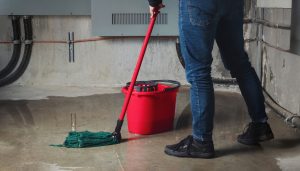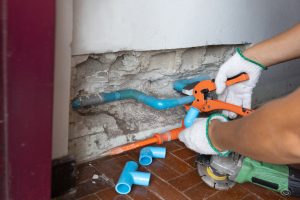
Plumbing pipes rarely fail all at once. Instead, they tend to give warning signs long before a major leak or burst happens. If you’re noticing changes in your water, pressure, or repair frequency, those issues may be telling you it’s time to look closer at your system.
Knowing the signs to replace plumbing pipes helps you avoid water damage, rising repair bills, and sudden emergencies. Thankfully, the team at Rooter MD is here to guide you through how aging pipes break down, what symptoms matter most, and when replacing old or faulty water pipes makes more sense than continuing to patch problems as they appear.
Quick Summary
- Rust colored water, recurring leaks, and low pressure often mean failing pipes.
- Pinhole leaks usually signal corrosion inside aging plumbing.
- Frequent repairs can cost more over time than replacing old pipes.
- Repiping improves water quality and reduces future leak risk.
- New pipes also help protect against frozen pipe damage.
Why Aging Pipes Become a Bigger Problem Over Time
As pipes age, corrosion, mineral buildup, and internal wear slowly weaken the material. This process happens out of sight, which makes it easy to underestimate how serious the damage has become. Over time, corrosion narrows the interior of pipes, restricting water flow and lowering pressure. Small imperfections turn into weak spots, increasing the likelihood of leaks or sudden failures.
These issues are especially common in older homes where original plumbing materials were never meant to handle decades of use.
This is why aging pipe replacement becomes a proactive decision rather than a reactive one. Waiting until pipes fail completely often leads to water damage, mold growth, and emergency repairs. Recognizing pipe corrosion signs early helps protect your home and gives you more control over timing and cost.
Signs You May Need to Replace Your Water Pipes
One of the most noticeable signs to replace plumbing pipes is rust colored water coming from your faucets. Discoloration often means corrosion inside the pipes, which can affect both water quality and pipe strength.
Recurring leaks are another major warning sign. If leaks keep appearing in different areas, the issue is usually not isolated. Small pinhole leaks are especially concerning because they suggest thinning pipe walls that can fail without warning.
Low water pressure throughout the home can also point to internal corrosion or buildup restricting flow. When pressure drops even after repairs, the pipes themselves may be the problem.
Finally, rising repair and maintenance costs matter. If you’re constantly paying for fixes that only last a short time, replacing old pipes can be a more reliable and cost-effective solution over the long run.
Patching Pipes Versus Repiping Your Home
When plumbing problems start showing up, it’s tempting to keep fixing issues one at a time. Patching leaks can solve an immediate problem, but it does not stop corrosion or deterioration from happening elsewhere in the system. This approach often leads to repeat service calls and growing frustration.
Knowing when to repipe a home usually comes down to pattern and frequency. If leaks are appearing in multiple locations or repairs are becoming routine, patching is no longer addressing the root cause. At that point, replacing old or faulty pipes provides a long-term solution instead of temporary relief.
What Drives The Cost Of Repiping Your Home?
One of the most common questions homeowners ask is ‘How much does repiping a home cost?’ The answer depends on several factors rather than a single flat number. The size of your home, the number of fixtures, and the type of piping material all play a role.
Accessibility is another big factor, because it impacts labor cost. Pipes located behind walls, under slabs, or in tight spaces take much longer to work on. The condition of existing plumbing and whether partial or full replacement is needed also influences cost.
While repiping is an investment, it often replaces years of ongoing repair expenses. New piping improves reliability, water flow, and peace of mind, making it a practical long-term choice when older systems start to fail.
Water Quality, Frozen Pipes, and Why New Plumbing Matters
Old or corroded pipes can negatively impact water quality by allowing rust, sediment, or a metallic taste into your water supply. This is a common issue where water quality and old piping intersect, especially in homes with aging plumbing systems.
Michigan winters add another concern. Weak or deteriorated pipes are more vulnerable to freezing and bursting when temperatures drop. While insulation and winter preparation help, knowing how to avoid frozen pipes starts with having strong, modern piping materials in place.
Repiping replaces fragile sections with durable pipes that handle temperature changes better. It also allows for improved routing and insulation, helping protect your plumbing system during cold weather.
Professional Repiping Services in Michigan
At Rooter MD, we provide professional repiping services throughout Michigan, replacing old or faulty water pipes with durable modern materials. If you’re ready to stop patching problems and protect your home’s plumbing system, reach out online or call us at 248-888-7777 today to schedule an evaluation.