
A sudden jump in your water bill or a warm patch on the living room floor can mean one thing: a slab leak. This happens when a water line under your home's concrete foundation cracks or corrodes, and water starts escaping under the slab instead of through your pipes.
In Livonia and the rest of Metro Detroit, freeze-thaw winters and shifting clay soil make these leaks more common than most homeowners realize. Here's what causes them, the signs to watch for, and when to call a slab leak repair team.
Slab Leaks At A Glance
- Slab leaks form when a pipe under your home's foundation cracks or corrodes, often invisibly.
- Michigan's freeze-thaw cycle and clay soil put extra stress on underground pipes every year.
- Warning signs include a rising water bill, warm spots on the floor, and cracks in walls or flooring.
- Plumbers use electronic, thermal, and acoustic equipment to pinpoint a leak without tearing up your whole floor.
- Repair costs vary widely, so a professional inspection is the only way to get an accurate number.
What Is a Slab Leak, Exactly?
A slab leak is a leak in a water or sewer line running underneath your home's concrete foundation. Most homes built on a slab route their plumbing through or under that concrete, so when a pipe wears out, water seeps into the ground or soaks into the slab itself instead of dripping somewhere you'd notice right away.
That's what makes slab leaks tricky. The damage builds for weeks or months before it becomes obvious, and by the time you spot a wet patch or a stain, the leak has usually been running for a while.
What Causes Slab Leaks in Livonia and Metro Detroit Homes?
A handful of factors cause most slab leaks, and in Livonia, the ground itself does a lot of the damage. Pipes crack from age and corrosion, shift when the soil around them moves, or wear thin from water pressure that's too high for the system. Poor installation years ago can also leave a weak joint that eventually gives out.
Michigan's Freeze-Thaw Cycle
Water expands about 9% when it freezes. Every winter, the ground around buried pipes freezes and thaws again and again, and that repeated swelling and settling shifts the soil enough to stress pipe joints and connections. Older galvanized and copper lines feel this the most, since decades of freeze-thaw cycles add up.
Clay Soil Movement
Much of Southeast Michigan sits on clay-heavy soil that swells when it's wet and shrinks when it dries out. That constant movement puts pressure on everything buried in it, foundations and pipes alike, which is part of why older homes in this area see more slab leaks over time.
Aging Pipes and Corrosion
Homes built before the 1990s often have galvanized steel or older copper piping, and both corrode from the inside out. If your house falls into that age range and you've never had the plumbing inspected, it's worth having a professional take a look before a small leak turns into a bigger repiping job.
How Do I Know If I Have a Slab Leak?
The clearest slab leak signs are a water bill that jumps without explanation, warm or damp spots on your floor, and the sound of running water when every faucet in the house is off. Cracks in walls, flooring, or the foundation itself can also point to a slab leak, especially if they show up suddenly.
These signs don't always show up together, and a mild leak can hide for a long time before it's noticeable. If something feels off with your water bill or your floor feels warmer than it should, it's worth having a plumber check it out rather than waiting to see if it gets worse.
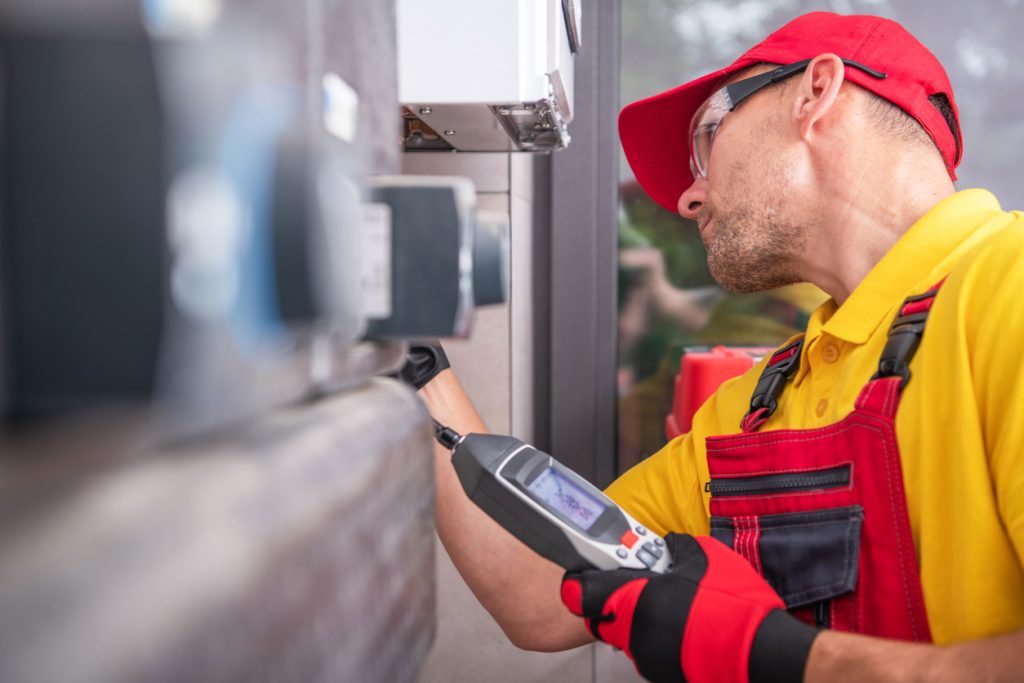
Professional leak detection relies on specialized equipment instead of guesswork. A plumber typically uses electronic leak detection tools that read sound and pressure to narrow down a location. Thermal imaging cameras spot temperature differences in the flooring, and acoustic listening devices amplify the sound of water escaping underground.
Together, these tools let a technician pinpoint a leak within a few feet. That means less guessing, less concrete cut open, and a faster path to slab leak repair.
What Does Slab Leak Repair Cost?
Slab leak repair costs vary a lot depending on how a plumber fixes the leak and how hard it is to reach. Nationally, homeowners typically pay somewhere between $630 and $4,400, with an average closer to $2,300, though a hard-to-reach leak can run higher once you add in flooring or foundation repair.
Detection alone usually costs between $150 and $600. Your actual slab leak cost depends on the repair method a plumber recommends, rerouting the pipe above the slab versus repairing it in place, plus how much flooring or drywall needs replacing afterward. A professional inspection is the fastest way to get a number specific to your home.
Is Slab Leak Repair Covered by Homeowners Insurance?
Sometimes, but not always. Standard homeowners insurance usually covers tearing out and replacing the slab and repairing water damage if a covered peril caused the leak, but it typically won't pay to fix the pipe itself. Most policies also exclude damage from ordinary wear and tear, aging pipes, or tree roots.
It's worth calling your insurance agent as soon as you suspect a slab leak, since coverage depends on your specific policy and what caused the damage.
How Can You Prevent a Slab Leak?
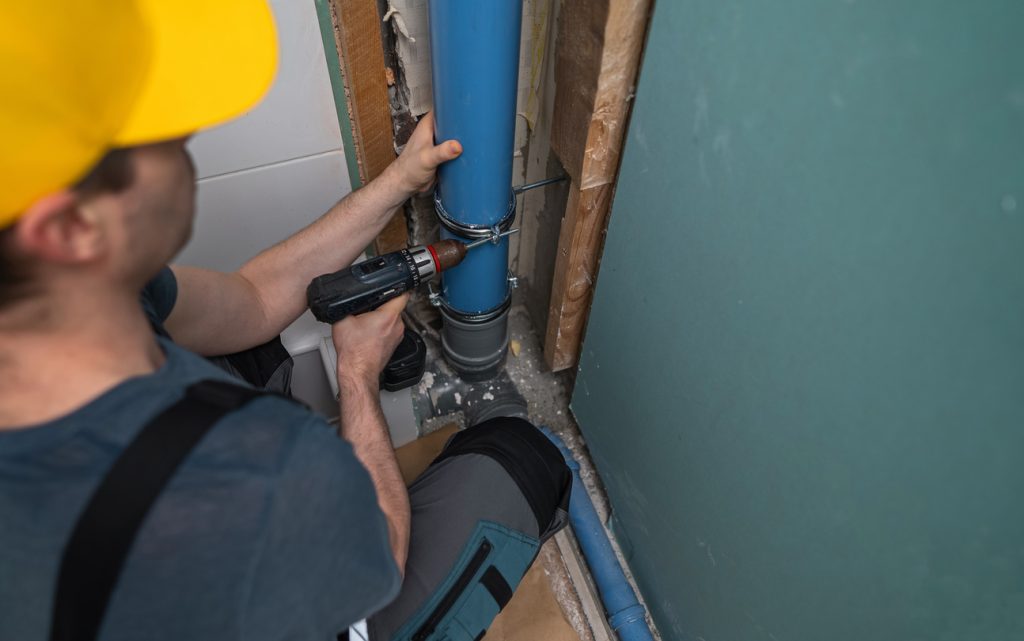
You can't prevent every slab leak, but regular maintenance catches most problems early enough to avoid major damage. A few slab leak prevention habits make a real difference for Livonia homeowners:
- Schedule a plumbing inspection every couple of years, especially in a home built before the 1990s.
- Keep an eye on your water bill and look into any sudden, unexplained increase.
- Watch your water pressure, since consistently high pressure wears down pipes faster than normal use.
- Address small cracks in the slab or foundation before they let more moisture reach the pipes underneath.
Household leaks of all kinds add up too. The EPA estimates the average home wastes about 9,400 gallons of water a year from leaks alone, and catching a slab leak early keeps your home off that list.
Quick Answers to Common Slab Leak Questions
Is a Slab Leak an Emergency?
It can be. A slow leak might not need same-day attention, but a burst pipe or a fast-rising water bill is worth an emergency call to avoid structural damage.
How Long Does Slab Leak Repair Take?
Detection alone typically takes about an hour once a plumber is on site. The repair itself might take a few hours for a simple fix, or several days for a more complex one, and restoring drywall or flooring afterward can add more time depending on the extent of the damage.
Can a Slab Leak Fix Itself?
No. A slab leak won't heal on its own, and waiting usually makes the damage and the eventual repair cost worse. The sooner you catch and fix it, the less it costs to put right.
Catching a Slab Leak Early Saves You Money
Slab leaks develop slowly, but the signs are usually there if you know what to watch for: a rising water bill, a warm spot on the floor, or a crack that wasn't there last season. Livonia's freeze-thaw winters and clay soil make this more common here than in a lot of other places, which is exactly why regular inspections matter.
Call RooterMD Before a Small Leak Gets Bigger
If you're noticing any of these warning signs, don't wait for the damage to spread. Call Rooter MD at 248-888-7777 or contact us online to schedule a slab leak inspection today.